






Mohawk Safety Section
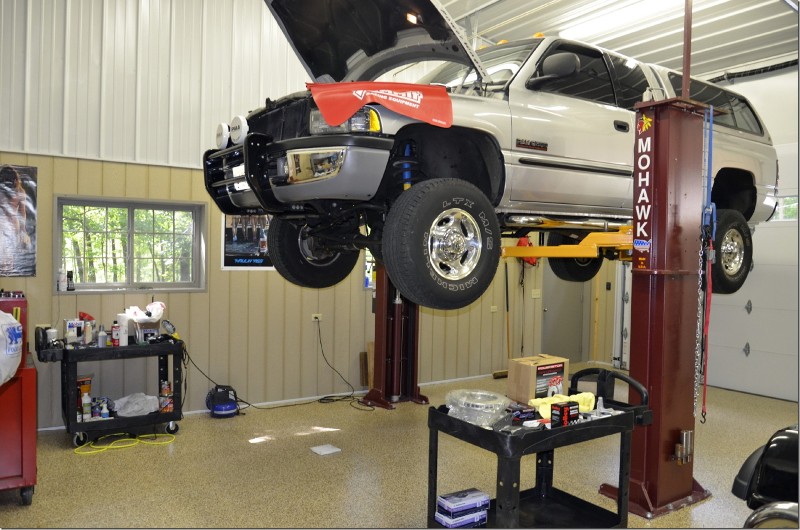
When a vehicle is in the air, there should be a Mohawk underneath it! That’s why every Mohawk lift is engineered and built around safety from the ground up — with all position mechanical locks that engage every 3” in both columns – starting at 4” off the ground and continue to full height, laser-cut high-strength T-1 steel latch racks, and ALI certified designs independently tested to ANSI standards. On this page, you’ll find the safety components that are built into our two post, four post, and mobile column lifts, along with lift locks, safety accessories, warning labels, and videos that show these systems at work. Whether you’re training new techs or reviewing your shop’s daily inspection routine — if there’s a vehicle in the air, there should be a Mohawk underneath it!
Lift Safety Locks
Mohawk safety locks give your techs a secure hold at every working height. Laser-cut, high-strength T-1 steel latch racks engage the full range of travel in both columns, so the load rests on mechanical locks instead of hydraulics alone.

Mobile Column Locking Latch Rack
19 locking positions spaced every 3", with ability to 'park' the load on the mechanical safety locks.
Mobile Column Locking Latch Rack
19 locking positions spaced every 3", with ability to 'park' the load on the mechanical safety locks.
Parallelogram Locking Latch Rack
Mohawk safety latch racks are made of laser cut high strength T-1 steel, and assure safe smooth locking at all working heights.
2 Post - All Position Safety Locks
All position mechanical locks in both columns engage the full length of travel.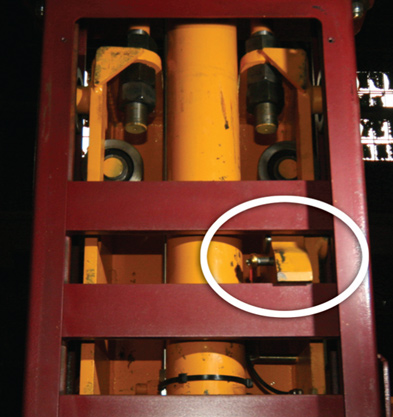
4 Post Runway Style Safety Locks
Mohawk's all-position safety locks engage every 6" and continue to full lifting height.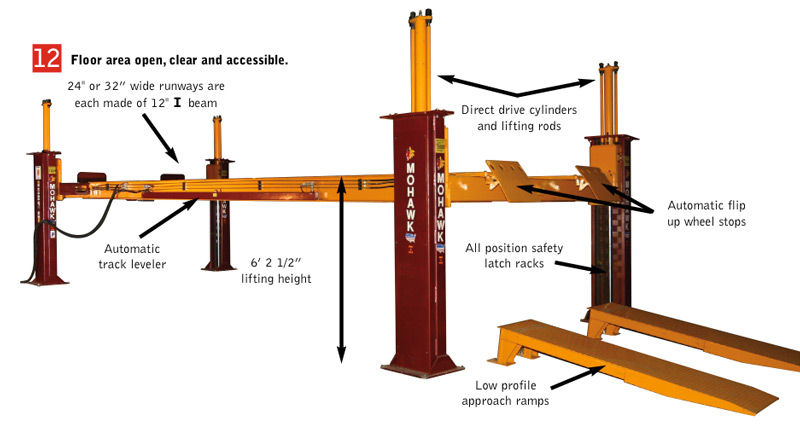
12. Floor Area Open, Clear and Accessible.
Floor area open, clear and accessible.Other Safety Items
Mohawk safety doesn’t stop at the lift.
- Weight Gauges. The lift’s capacity rating only means something if you know what you’re putting on it. A weight gauge measures vehicle weight to within +/- 5% accuracy, so your techs can confirm if a vehicle is within the lift’s rating before it leaves the ground — no guessing, no overloading. The same gauge does a second job once the vehicle is up. When it reads “0,” the load has come down onto the mechanical locks and the lift is being used the way it’s meant to be. That’s a quick, visible check your techs can make on every lift, every time, without leaving the bay.
- Jack Stands. A lift’s mechanical locks hold the load — jack stands give your techs a second point of support underneath it. Once a vehicle is raised, jack stands take up position under the frame or axle so that anyone working beneath it is supported by more than a single system. They’re the difference between trusting the lift and verifying it, and for shops that run a daily inspection routine, they’re a simple habit that adds a layer of protection at no real cost in time.
- Door Guards. Door guards protect the vehicle, not the lift. Two inches of soft foam absorbs the impact when a door swings open into a column, so the door edge, the paint, and the panel come away untouched. Hard plastic protectors can’t do that. For fleet garages, transit shops, and any bay where vehicles come and go all day, door guards are a small, permanent addition that keeps cosmetic damage out of your repair queue.
Every one of these is a small, inexpensive piece of the same daily routine — and together they’re what keeps your techs, your vehicles, and your shop protected.
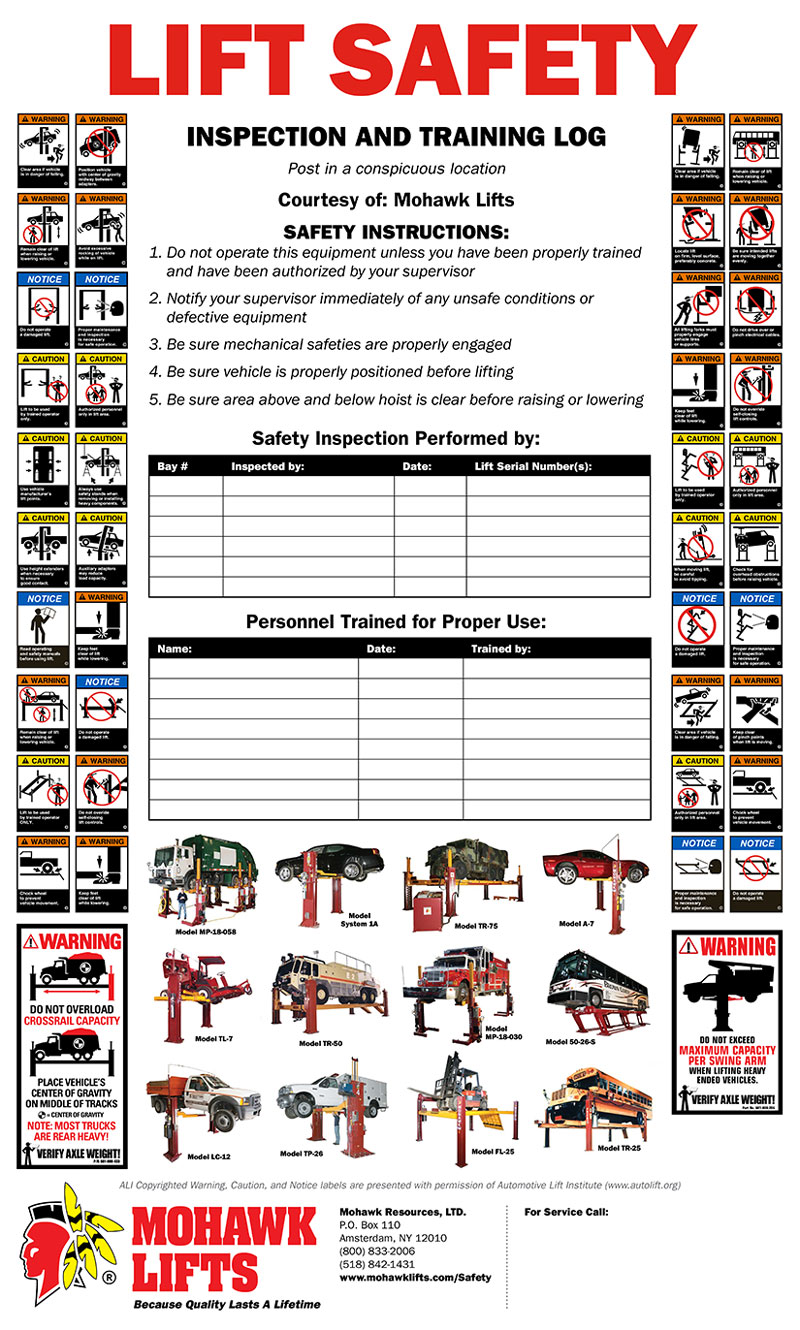
SAFETY POSTER

2 POST WARNING LABEL
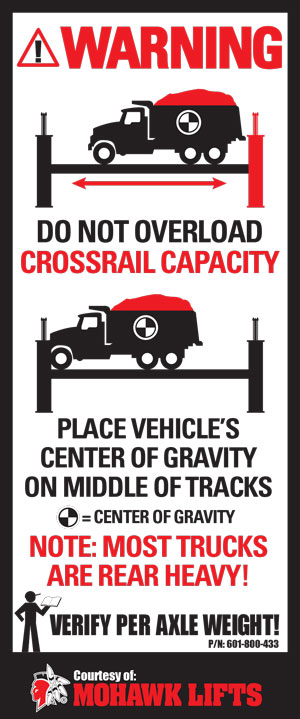
4 POST WARNING LABEL

MOBILE COLUMN WARNING LABEL
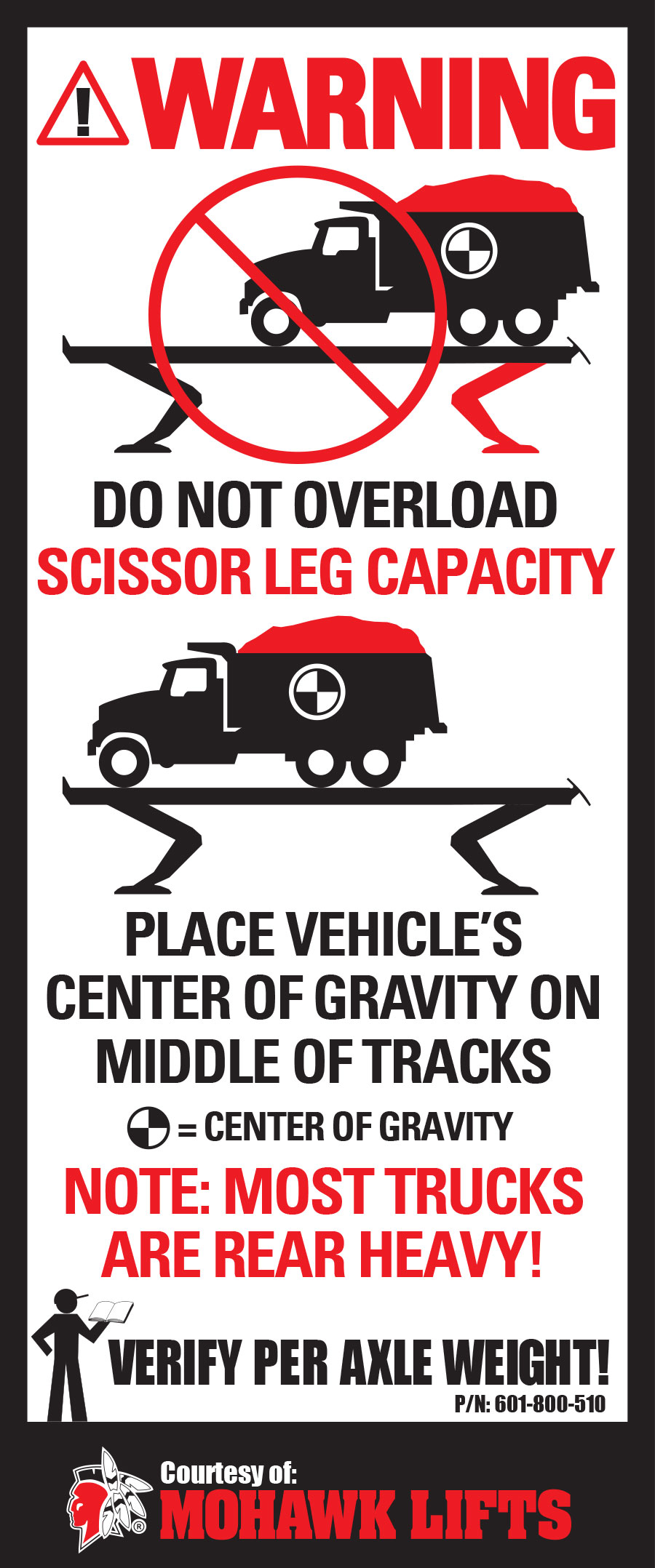
VERTICAL RISE LIFT WARNING LABEL

PARALLELOGRAM WARNING LABEL

SPEEDLANE ADAPTOR
Turns your two-post lift into a quick drive-on liftNo time wasted positioning swing armsQuickly slips onLearn more about the Speedlane Drive-On Adaptor.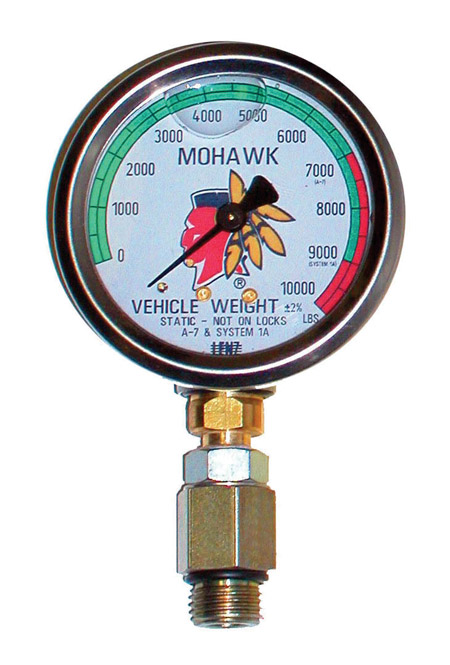
2 POST SAFETY WEIGHT GAUGE
Aides in vehicle diagnosis by measuring weight within 5% accuracyInstalled directly into the hydraulic systemEasy to read gaugeAs a diagnostic tool, the weight gauge will help you sell heavy duty brake parts, shocks, and tiresAvailable for all Mohawk two-post liftsGauge allows techs to know the lift has been lowered and is lockedLearn more about the weight gauge.
SWING-ARM LIFTING PAD
Attaches to swing arm and not sliderAvailable in rubber or steelGives access for special lifting requirementsOptional rubber protects underbody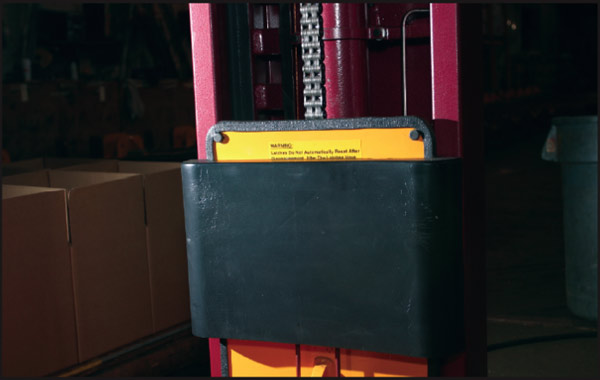
FOAM DOOR GUARD
Protects vehicle from dents and scratches if the door is accidentally opened into the columns2" thick soft foam won't damage doors (unlike other hard plastic door protectors)
Pendant-Control
Optional pendant control to allow tethered remote operation of all columns.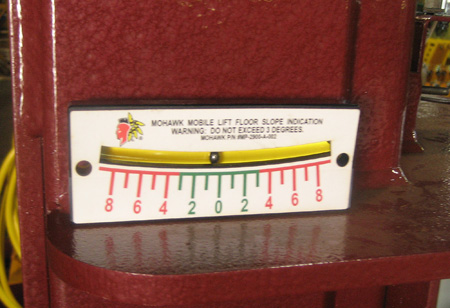
Slope Indicator
The slope indicator attaches to the mobile column to display the floor slope measured in degrees (mohawk's can be used up to a 3 degree floor slope)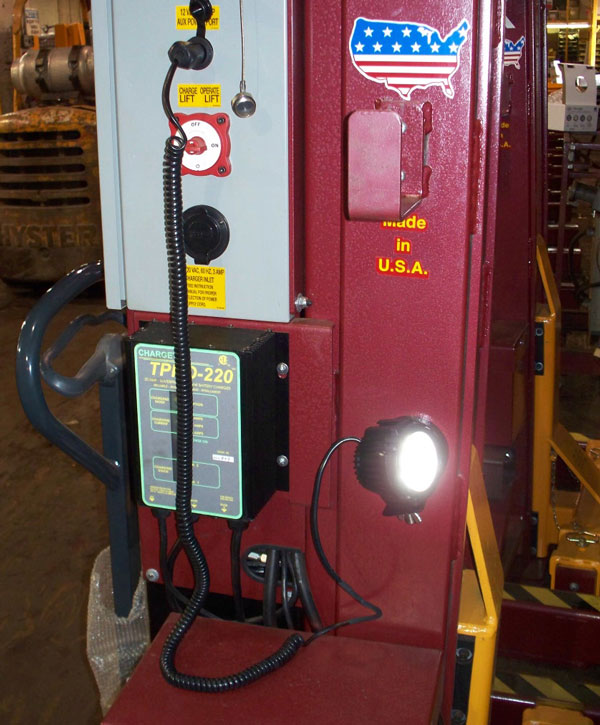
LED Light for DC Mobiles
LED Light for DC Mobiles
Fluorescent Lights for DC Mobiles
Fluorescent Lights for DC Mobiles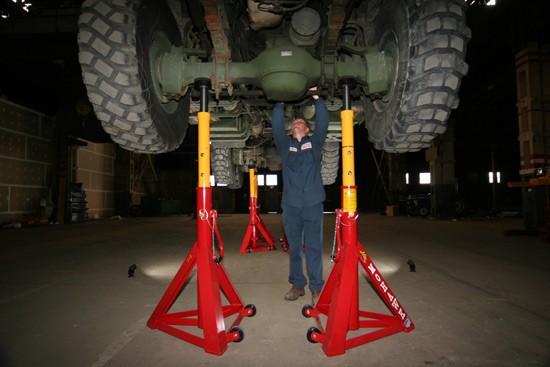
Mobile Jack Stands
Mohawk Jack Stands are available in rubber coated flat pads or axle engaging lift pads. Mohawk's listed jack stands are available in 18,000 or 24,000 lb. capacities.
ALI / ETL Certification Member
 In 1992, ALI selected Intertek Testing Services, then known as ETL Testing Laboratories, as its strategic partner in developing and administering the first independently verified product certification program for the automotive lift industry. The resulting program launched in 1993 and the first “ALI Directory of Certified Lifts” was published in October of the same year.
In addition to administering and validating the ALI Certification Program, Intertek is one of two independent laboratories recognized by ALI and nationally accredited to perform evaluations in accordance with ANSI/UL 201. This approach to product certification allows for “one-stop shopping” for lift manufacturers, and more specifically, Intertek offers ALI’s Certification Program participants:
- Electrical safety listing services for all regions within North America (Nationally Recognized Electrical Listing Mark);
- Testing and preparation for CE Marking (European Technical File Services); and
- Consolidated testing and follow-up inspections. This streamlines the process of getting the product to market.
- Administration and testing evaluations supporting the ALI program are coordinated from the 160,000 square-foot Intertek facility in Cortland, New York. ALI/ETL witness testing is performed by the Certification Program Administrator’s staff at the manufacturer’s facility regardless of country of origin.